
Before you hire a mobile app development company in Saudi Arabia, check that they design in Arabic first, have already connected apps to Saudi services such as Nafath, mada and local SMS providers, and understand the Personal Data Protection Law. Whether the team sits in Riyadh or works remotely matters less than proof they have done these things before.
At a glance: Saudi users expect Arabic screens that feel native, sign-in and payments they already trust, and clear handling of their personal data. Ask every agency for live Saudi examples, agree who owns the accounts that only you can register, and use the checklist at the end to compare quotes fairly.
Why a Saudi app is its own project
Vision 2030, the Kingdom's national reform plan, has pushed hard on digital services. Its Financial Sector Development Program aims for a cashless society and lists the licensing of domestic digital banks among its achievements. In practice, your customers already sign in to government services with a national digital identity and pay by phone every day.
That raises the bar. An app that works well in London or Dubai can still feel foreign in Riyadh if it treats Arabic as a translation and skips the local services people rely on. If you are also weighing up the UAE, our Dubai agency checklist covers ownership, contracts and support in more detail.
Arabic first, not Arabic added later
RTL (right-to-left) layout means the whole screen mirrors: menus, back arrows, progress bars and swipe directions. Good teams design the Arabic screens first and derive English from them, not the other way round.
- Tone of voice: formal Arabic suits banking and government-style services. A food or retail app may want a lighter, Saudi-flavoured voice. Ask who writes the Arabic copy, because machine translation shows.
- Dates and numbers: decide whether to show Hijri dates alongside Gregorian ones, and whether digits appear in Arabic-Indic or Western form. Be consistent across the app, receipts and messages.
- Typography: Arabic fonts need more line height and space. Buttons sized for English words often break.
- Testing: ask whether native Arabic speakers test each build on real devices before you see it.
The Saudi integrations to ask about
Ask which of these each agency has already delivered, and ask to see it working.
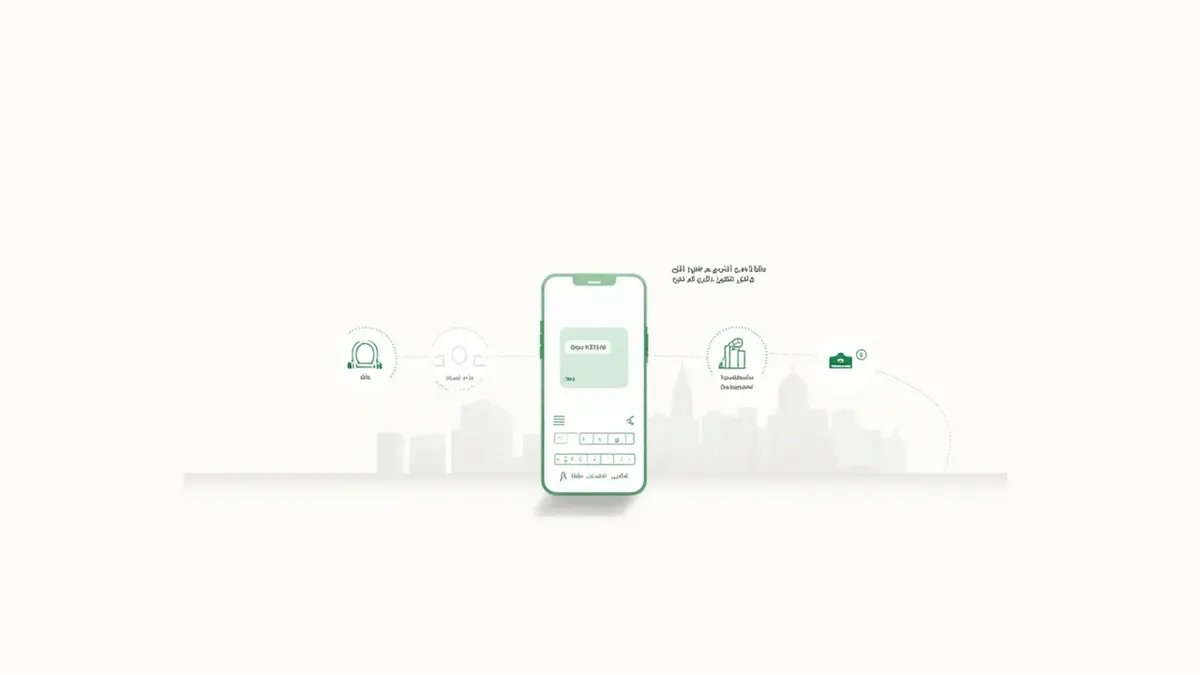
| Integration | What it is | What to ask |
|---|---|---|
| Nafath | The national single sign-on platform run under SDAIA. Users confirm a login request in the Nafath app by matching a number and verifying their identity. | Have you connected an app to Nafath? What approvals did the client need first? |
| mada | The national payment network owned by the Saudi Central Bank (SAMA). It supports online card payments with 3D Secure, an extra identity check by the card's bank, and mada cards can be added to Apple Pay. | Which payment gateway do you recommend, and have you tested mada cards specifically, not just Visa and Mastercard? |
| STC Bank (formerly STC Pay) | The stc pay wallet is now STC Bank, a digital bank licensed by SAMA with e-commerce services for businesses. | Does your chosen gateway support it, and is it worth adding for your customers? |
| SMS providers | Used for one-time passwords (OTPs) and alerts. Under the regulator's anti-spam rules, bulk sender names and message templates are registered through the mobile operators' bulk SMS system. | Which licensed provider do you use, and who registers our sender name? |
One more point for iPhone apps: Apple's review rules say that physical goods and real-world services must be paid for outside Apple's in-app purchase system, for example with Apple Pay or card entry. A good agency will know which payment route your app falls under before design starts.
Personal data: the PDPL basics
This is general information, not legal advice. Saudi Arabia's Personal Data Protection Law (PDPL) is overseen by SDAIA, the Saudi Data and Artificial Intelligence Authority. It covers personal data processed in the Kingdom, and also data about people living in the Kingdom that is processed from outside it. So a remote team does not take your app out of scope.
- Tell people clearly why you collect data, who receives it and whether it leaves the Kingdom. That shapes your sign-up screens and privacy notice.
- Plan for breaches. The law requires controllers to notify the authority of a breach, and in some cases the people affected.
- Check registration. SDAIA's national data governance platform includes a register for data controllers, with a route for entities outside the Kingdom.
Ask the agency where data will be hosted, how users can see or delete their data, and what logs are kept. Then check the answers with your own adviser.
Local team or remote team?
A Riyadh or Jeddah team is easy to meet, knows local suppliers and may already have relationships with gateways. That is worth a lot if your project needs frequent workshops with many stakeholders.
A remote team can bring specialist skills and different pricing. It works well when communication is disciplined: a named lead, fixed weekly calls within Saudi working hours, and a test build on your phone every week or two. Either way, some registrations sit with you as the business, not the agency. Store accounts, the payment gateway contract and your SMS sender name should all be in your company's name.
A buyer's checklist
- Show me a live app you built with Arabic as the main language.
- Which Saudi integrations (Nafath, mada, wallets, SMS) have you delivered, and for whom?
- Who writes and checks the Arabic copy?
- Where will user data be hosted, and how do you support PDPL requests such as deletion?
- Which accounts must we register ourselves, and when should we start?
- How often will we see a working build, and who is our daily contact?
- What is fixed in the price, and how are changes charged?
- What does support cost after launch, including yearly iOS and Android updates?
For a sense of what drives the budget, read our app development cost guide before you compare quotes.
How Rinaztec can help
We build iOS and Android apps from one codebase, with Arabic and English screens, accounts, payments and push notifications, connected to your existing systems. We handle App Store and Google Play submission, and you own the source code and the store accounts. Mobile app development starts from $12,000, quoted per app.

Planning an app for Saudi customers? Book a free 30-minute call and we will go through your brief and this checklist with you.
Sources
- SDAIA, Nafath Platform user guide
- Saudi Central Bank, mada
- STC Bank, notice of transformation from stc pay
- CITC (now CST), Regulations for Curbing Spam Messages and Calls
- SDAIA, Personal Data Protection Law (English text)
- SDAIA, National Data Governance Platform
- Saudi Vision 2030, Financial Sector Development Program
- Apple, App Review Guidelines