A real estate CRM (customer relationship management system) should pull in portal enquiries automatically, track every listing, viewing and offer, keep landlord and tenant records together, log WhatsApp conversations and show who earned which commission. Many agencies in Dubai and the UK can get this from a property CRM they buy off the shelf. A generic sales CRM usually struggles, and a custom build only makes sense when your process stops fitting either.
At a glance: start by listing where your leads come from and how a deal moves from first enquiry to keys handed over. Check which portals your shortlisted CRM already connects to, and confirm the details with each portal. If a ready-made property CRM covers your process, buy it. Build only when your pipelines, commission rules or integrations keep forcing workarounds.
Portal lead capture: the first thing to get right
For most agencies, portals are the main source of buyers and tenants. In Dubai that usually means Property Finder and Bayut. In the UK it usually means Rightmove and Zoopla. If staff copy enquiries from portal inboxes into a spreadsheet, leads get lost and response times slip.

What the portals offer varies, so check before you choose a system:
- Property Finder offers a WhatsApp Enterprise option that sends WhatsApp leads to your own system through an API (a standard way for two pieces of software to exchange data). Your developer sets up a webhook, a web address that receives each new lead as it arrives. Property Finder also publishes an Enterprise API for managing listings.
- Rightmove says its enhanced lettings leads now integrate with agent CRM systems, and tells agents to speak to their Account Manager about their own CRM. Residential listings are uploaded through its Real Time Data Feed.
- Bayut and Zoopla: we could not confirm the details of their lead feeds from official public pages. Check with the portal what lead delivery and listing feed options your account includes.
Whatever the route, ask two questions. Does each lead arrive with the listing reference attached? And does the system spot duplicates when the same person enquires on two portals?
Listings, viewings and offers: three pipelines, not one
A generic CRM has one sales pipeline: lead, qualified, proposal, won. Property does not work like that. An agency typically runs at least three linked pipelines:
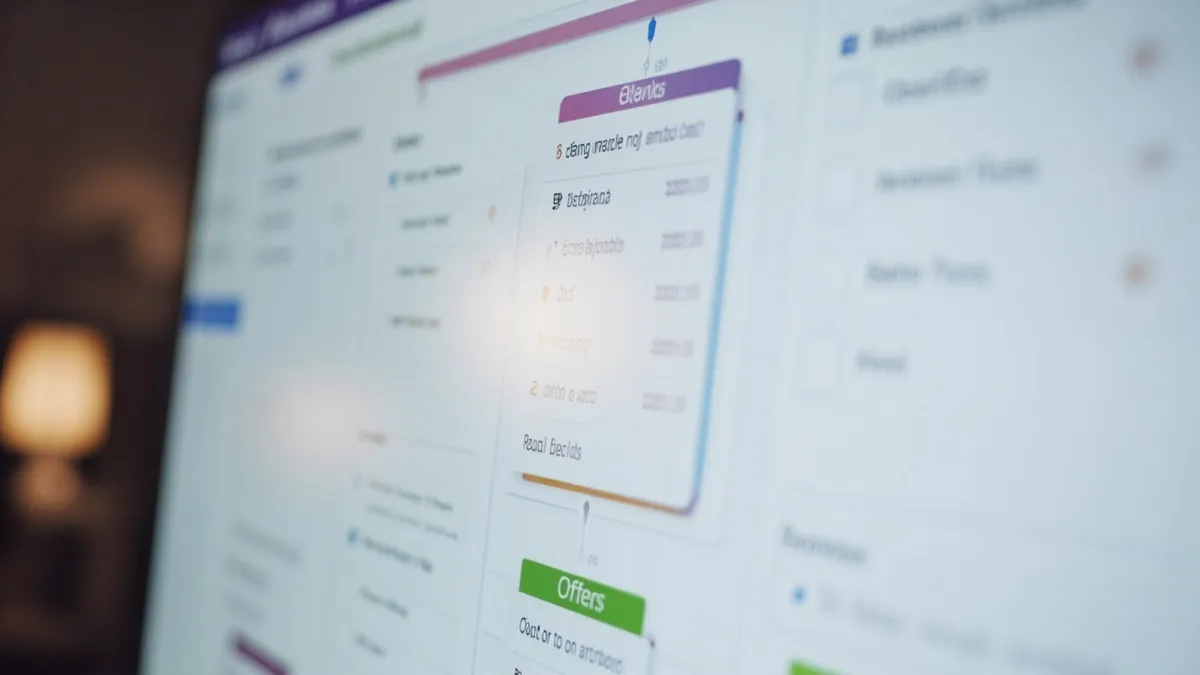
- Listings: valuation, instruction, photos and description, live on portals, under offer, sold or let.
- Viewings: requested, confirmed, done, feedback recorded.
- Offers: received, sent to the owner, accepted or rejected, then progression to completion or move in.
One property has many viewings. One buyer may view ten properties and make offers on two. Your CRM must link all of these, so an agent can open a property and see every viewing and offer, or open a buyer and see everything they have seen.
Landlord and tenant records
Lettings adds a second relationship that lasts years, not weeks. You need landlord records with their properties, instructions and contact preferences, and tenant records with tenancy dates, renewals and history.
Key dates matter most here: renewal reminders, rent reviews and document expiry dates. Rules on what you must record, check or keep differ between Dubai and the UK and change over time. Take advice on your own obligations, then make sure your CRM has fields and reminders for them rather than relying on memory.
WhatsApp logging
In the Gulf especially, much of the conversation with buyers, tenants and owners happens on WhatsApp. If those chats live only on agents' personal phones, the agency loses the history when an agent leaves.
Meta's WhatsApp Business Platform lets businesses send and receive WhatsApp messages from a business number through software. Its Cloud API uses webhooks for incoming events, which means messages can be logged against the right contact in a CRM. Some businesses connect through a Meta Solution Partner, a company authorised to provide WhatsApp messaging services, rather than directly. Either way, agree a clear rule: client conversations happen on the business number, not personal ones.
Commission tracking
Commission is where spreadsheets hurt most. A single deal can involve a listing agent, a selling agent, a referral, a co-broker at another agency and a manager's override. Splits change by deal type, and payment only arrives when the deal completes.
A good real estate CRM records the agreed split on each deal, shows what is expected versus paid, and feeds your accounting software. Check that yours handles your actual rules, including split deals with other agencies, before you commit.
When a generic CRM breaks for property
General-purpose CRMs are excellent for many businesses, and some agencies make them work with add-ons. They tend to break when:
| Sign | What it looks like |
|---|---|
| No property record | Listings stored as "products" or "deals", with viewings in notes |
| Portal leads by hand | Someone copies enquiries in every morning |
| Lost WhatsApp history | Chats stay on personal phones |
| Commission in Excel | Splits worked out outside the CRM each month |
| Add-on sprawl | Several paid plugins, each with its own login and gaps |
If you see one or two of these, look first at established property CRMs, which are built around listings and lettings. A custom CRM is worth considering when you run sales and lettings across Dubai and the UK, have unusual commission rules, or need integrations the ready-made options do not offer.
How Rinaztec can help
Rinaztec builds custom CRMs around how your agency actually works: listings, viewings and offers pipelines, landlord and tenant records, commission tracking and integrations with the tools you already use. You own the code, with no per-seat licence fees. Custom CRM development starts from $15,000 and typically takes 6 to 10 weeks.
Is your agency running on a CRM that was never built for property? Book a free 30-minute call and we will help you decide whether to buy, adapt or build.
Sources
- Property Finder: WhatsApp Enterprise Integration
- Property Finder: Enterprise API documentation
- Rightmove: Enhanced lettings leads to integrate with agent CRM systems
- Rightmove APIs: Commercial Listings API overview
- Meta for Developers: About the WhatsApp Business Platform
- Meta for Developers: WhatsApp Solution Partners